Liquid Fertilizer versus Dry Fertilizer
(All treated plots received equal amounts of nutrients.)
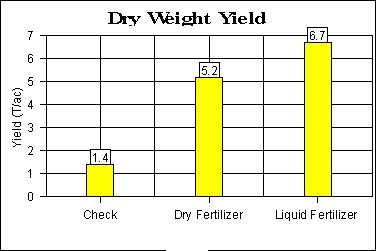
fig1 The dry provided good results by producing nearly 4 tons more than the check (no fertilizer added). However the liquid surpassed the dry by 1.5 tons.
* * *
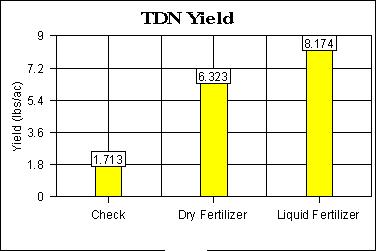
fig2 TDN is a more meaningful measurement of yield. Used to describe available nutrients in the grass blades. Fluids surpassed the dry by 1,851 pounds ...nearly a ton.
* * *
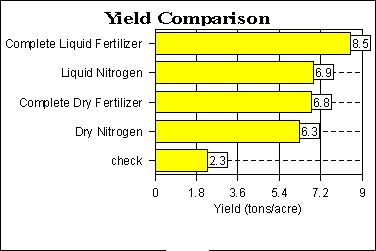
fig3 Various fertilizer materials were compared. A complete NPK liquid produced the highest yield,followed by liquid nitrogen. NPK dry produced nearly 2 tons less than a complete liquid.
* * *
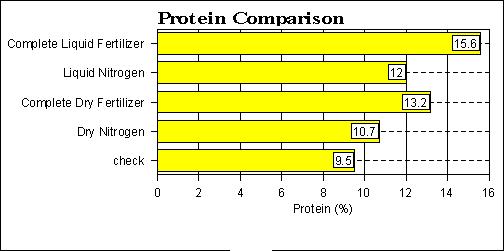
fig4 Protein is muscle. The higher the protein in the grass, the stronger it is. Again it appears liquid fertilizer wins out.
* * *
Liquids assure uniformity of application. Studies show spinner type applicators of dry fertilizers produce uneven distribution of dry fertilizer. Rates varied from a low 101 pounds to a high of 390 pounds per acre. Liquids applied broadcast through a boom assure a uniform application.
In addition to the yield advantages of fluids over dry there are other important benefits. With liquids, precision analysis and formulations are easily acheived with NPK, and secondary and micronutrients.
(Data source from: Allied Corporation, Oklahoma State University, Nutra Flo Chemical Company, and NFSA.)